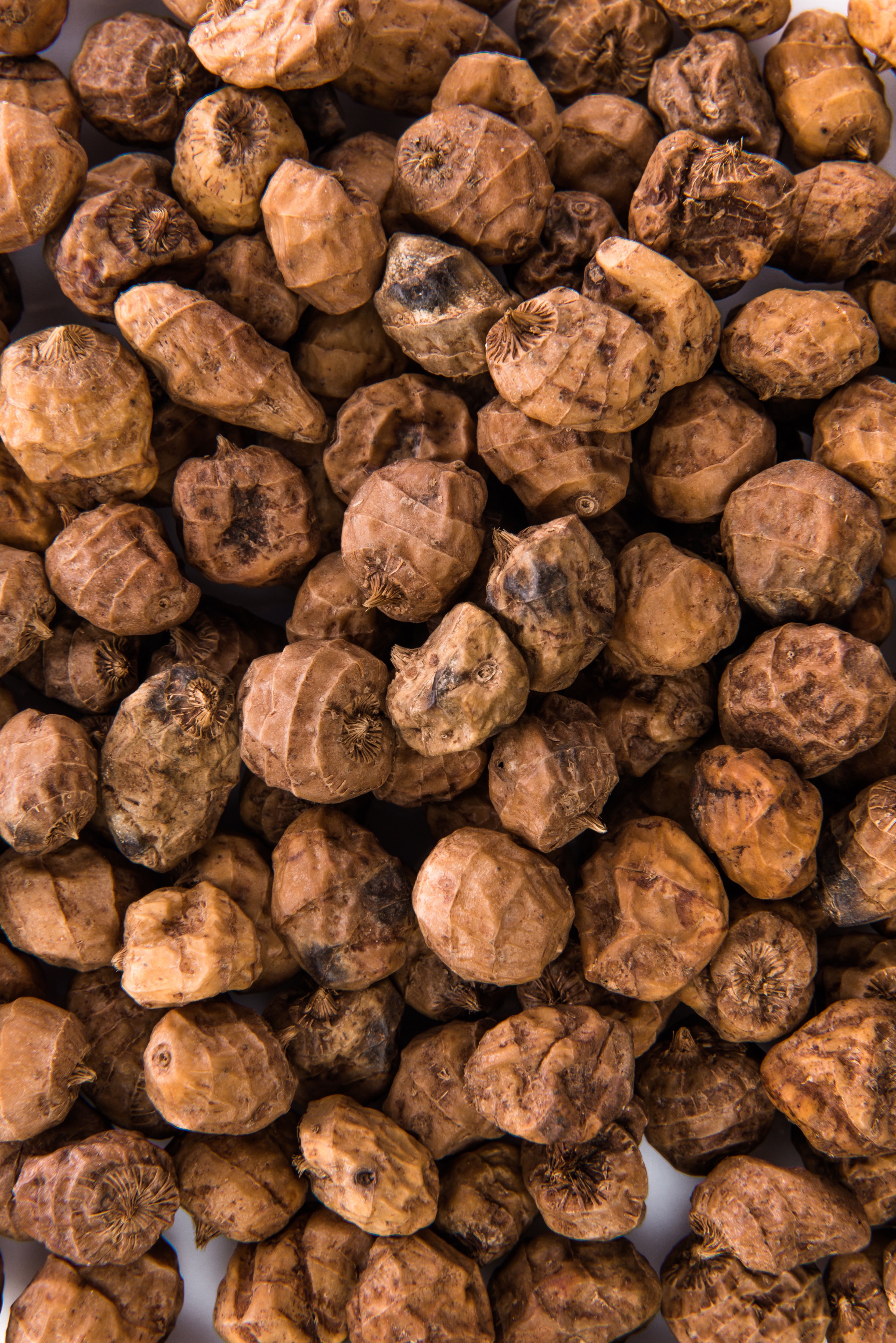
Refreshing horchata!
Download Pdf
Tiger nut horchata is much more than a summer refreshment, it is a cultural emblem deeply linked to producing municipalities such as Alboraya, in the Valencian Huerta. However, this refreshing beverage is a biologically very sensitive product that is easily spoiled due to the high microbial load present in tiger nuts in their natural state. Therefore, to ensure that the beverage retains its properties for an optimal period of time, modern production, both artisanal and industrial, is governed by strict health and hygiene regulations. As required by industry regulations, all machinery and equipment used in the production facility must be made of stainless steel.
The implementation of this material led to the definitive disappearance of traditional wooden utensils and makeshift old methods. The technical reason is evident: the preparation of horchata requires constantly working with water and high concentrations of sugars, an environment conducive to corrosion in inferior metals or the proliferation of residues on porous surfaces. Stainless steel not only resists this degradation flawlessly, but also offers a smooth and neutral surface that facilitates deep and rapid sanitization, ensuring that the nutritional and organoleptic properties of the tiger nut remain completely intact.
Throughout the current production process, stainless steel forms the backbone of the entire technical processing line:
- Washing and disinfection: Following the selection and soaking or arremullado ("Arremullado" is a regional Valencian technical term for the soaking process of tiger nuts), the tiger nuts pass into industrial washing machines with either a horizontal vat with a rotating drum or a vertical vat. Equipped with internal blades that promote the friction and cleaning of the tuber, these stations employ water, brines, and chlorinated solutions. Stainless steel perfectly resists the chemical aggressiveness of these disinfectants without deteriorating.
- Milling and churning: Far from the old mortars or manual rollers, today modern cross-beater mills manufactured from stainless steel are used to crush the tuber while incorporating a uniform flow of water. The resulting mass passes to a blender, a cylindrical stainless steel vessel with slow-moving central agitators, where starches and fats are properly mixed.
- Pressing and filtering: By means of continuous screw presses or forced sieving devices, the residue or pulp is separated from the liquid extract. Subsequently, old manual sieves give way to a stainless steel wire mesh with millimetric aperture that screens the horchata continuously. This removes the finest pulp and prevents any external handling, guaranteeing clean and hygienic filtering.
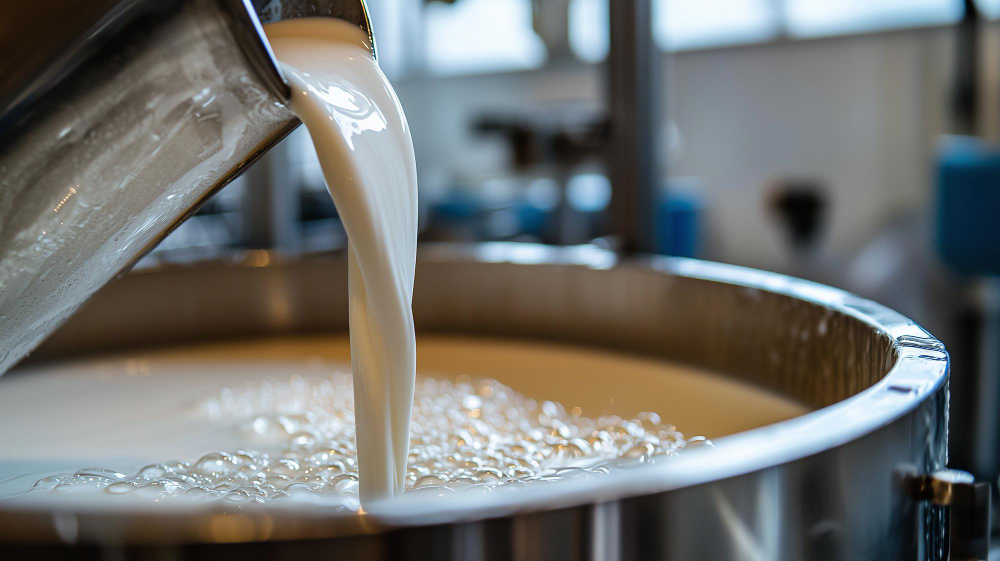
- Sugar incorporation and cooling: After adding the sugar mechanically or manually inside specific tanks, a transfer pump drives the horchata toward the cooling tanks. Manufactured entirely of stainless steel, these vats maintain the beverage at a critical temperature between 0 and 5 °C, halting bacterial proliferation before its final service or its transfer to the slush tanks.
The historical transition from traditional washing in the irrigation canals of the huerta to modern closed stainless steel circuits demonstrates how advanced metallurgy places itself at the service of public health. Stainless steel acts as the guardian of quality in the horchata guild, allowing tradition to coexist in perfect harmony with the highest standards of safety and technical durability.