I´m flying
Download Pdf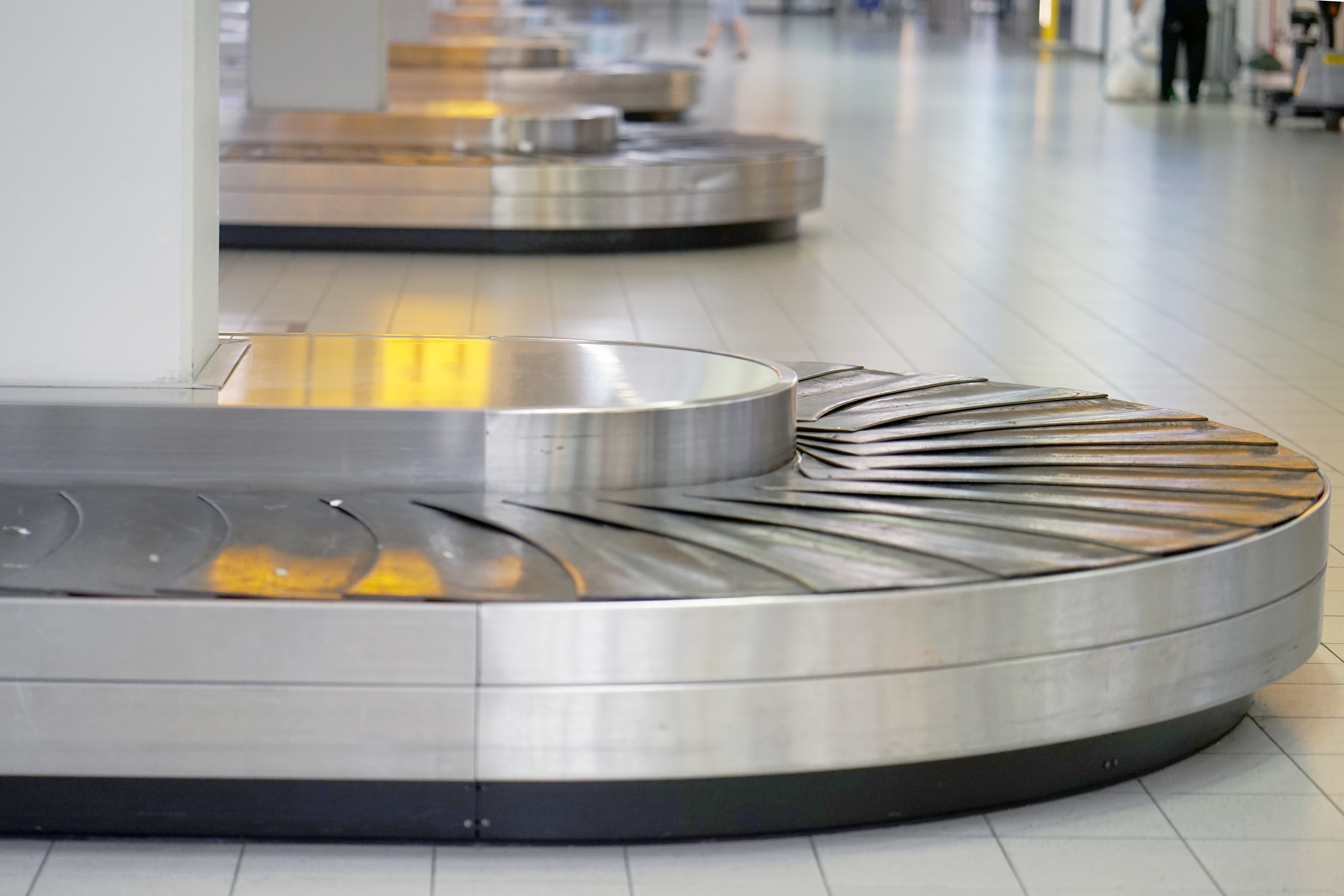
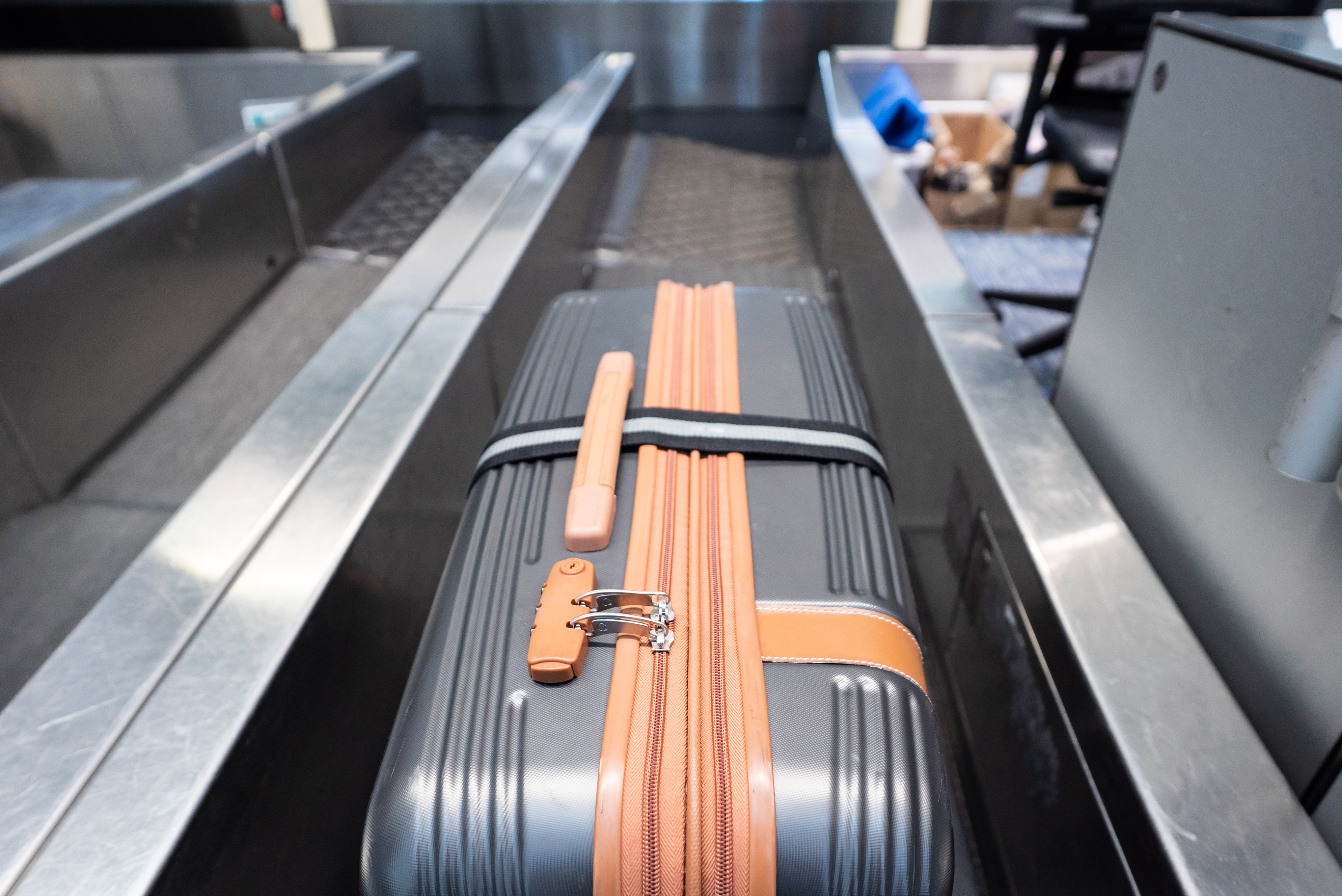
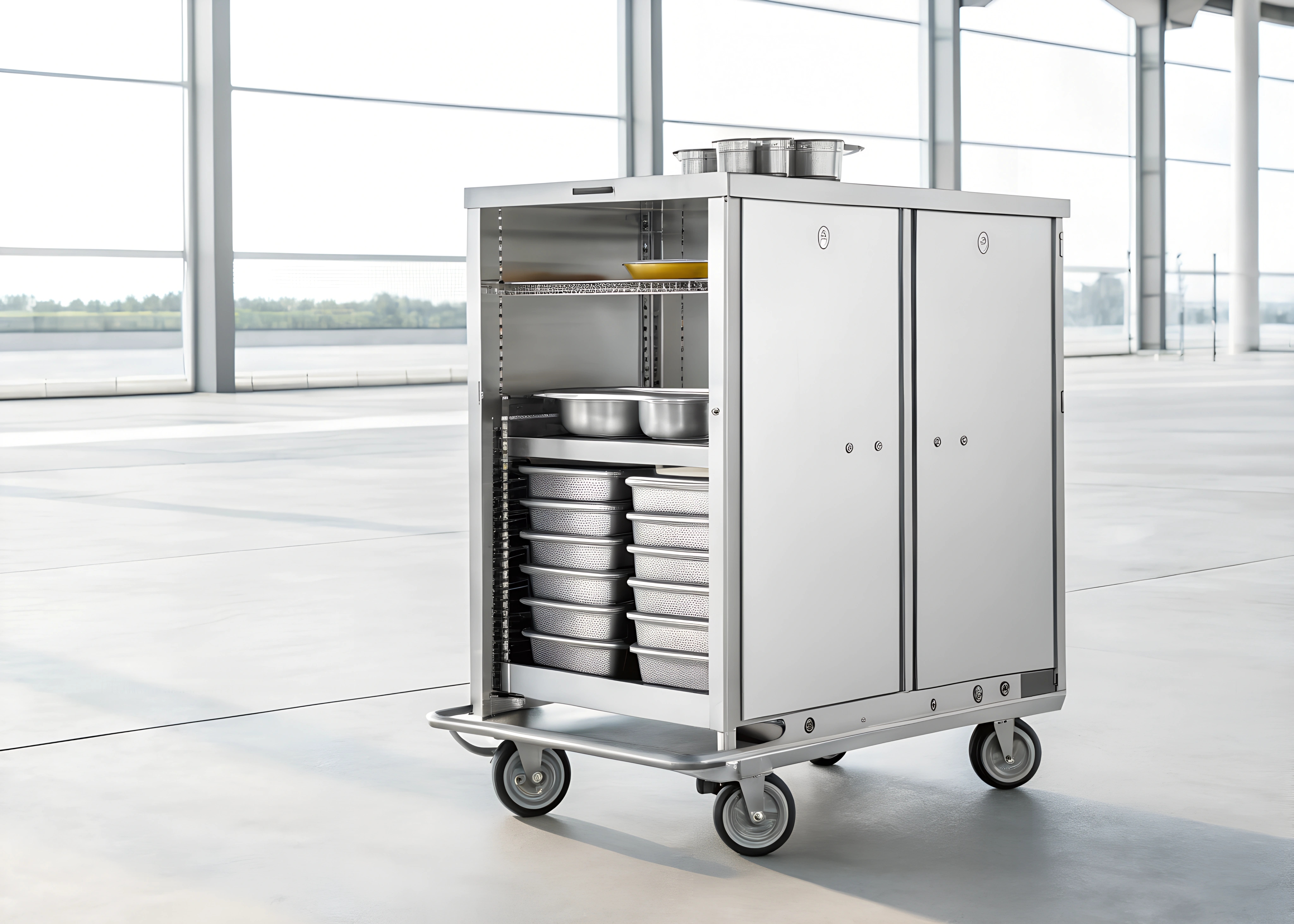
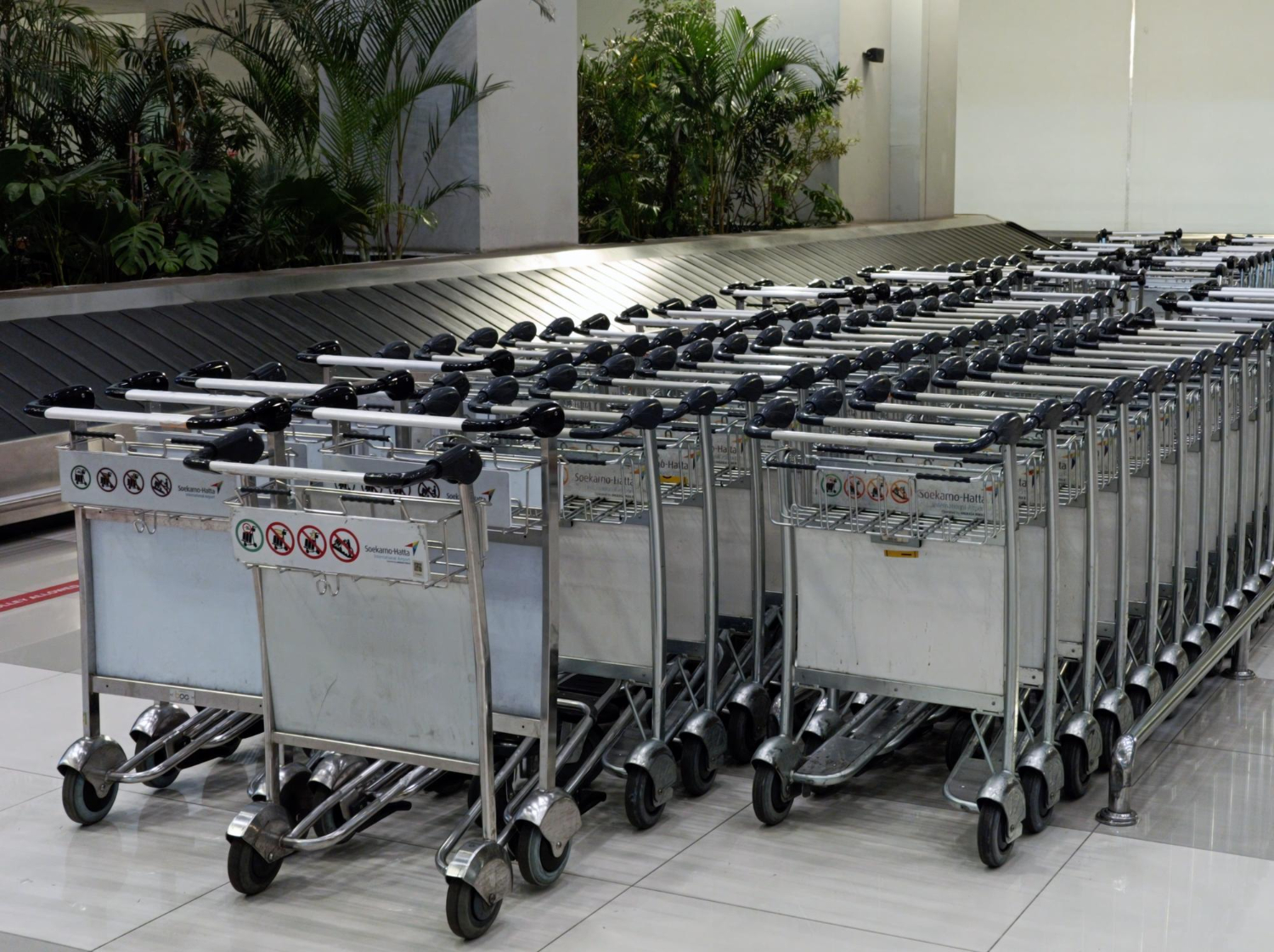
When travelling through an airport, attention tends to focus on screens, boarding gates and signs. However, there are materials that are in constant contact with passengers and play a fundamental role in the experience. One of these is stainless steel, which is present in handrails, counters, benches and structures that support the daily operation of these spaces.
Stainless steel contains a significant proportion of chromium, which allows the formation of a protective layer capable of resisting oxidation. This property protects it from moisture, cleaning products and mechanical wear. In high-traffic airports, these qualities are what allow a surface to retain its appearance for decades, unlike other materials that deteriorate quickly.
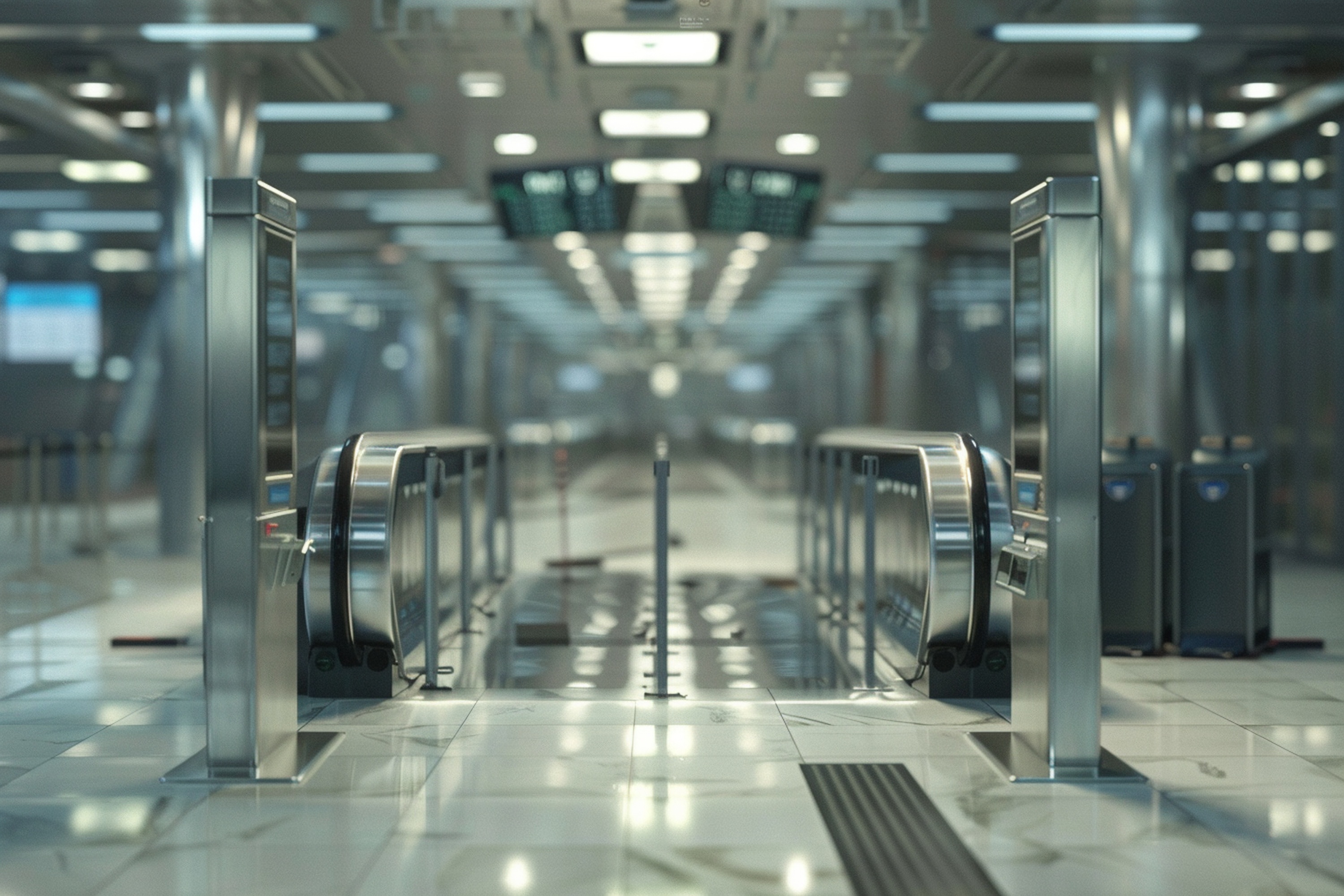
A clear example of stainless steel protecting another material can be seen in the stainless steel plates that cover the bottom of the columns, keeping the pillar safe from wear and tear caused by bumps from trolleys or suitcases.
The most common alloys in airport furniture usually include nickel and, in specific cases, molybdenum. The latter is key in variants such as AISI 316, which is used in areas exposed to more aggressive environments. For general indoor use, AISI 304 is more common due to its balance between strength, malleability and price.
Hygiene is another decisive factor. Smooth, non-porous surfaces and polished finishes make cleaning more effective and faster. In areas where thousands of people pass through every day, this point is particularly important.
Stainless steel also stands out for its structural capacity. It can withstand heavy loads without the need for excessive thickness. This allows for the design of architectural elements with lighter structures that maintain stability while optimising the use of space. Its durability, added to its recyclability, has led many infrastructure projects to choose this material as part of a long-term sustainability strategy. It requires fewer replacements, reduces operating costs and maintains its functionality over the years.