The Space Needle
Iconic, futuristic, and panoramic
THE FIRM: John Graham Jr. and Company - Víctor Steinbrueck
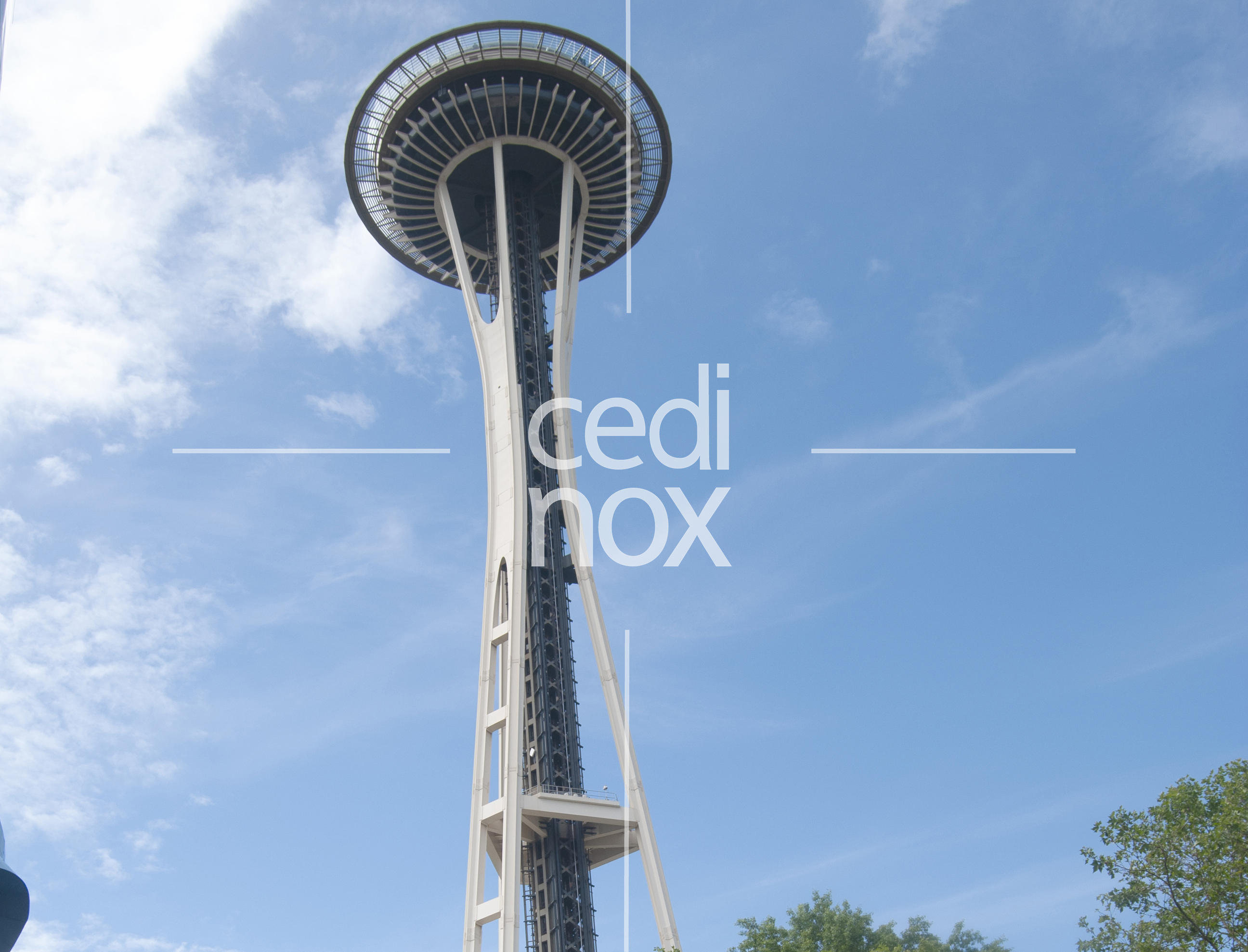
The iconic silhouette of the Space Needle was the result of a visionary collaboration between businessman Edward E. Carlson, architect John Graham Jr., and architect and professor Victor Steinbrueck. While Carlson conceived the initial idea of a tower topped with a restaurant (if it was to be a permanent structure, it had to be financially self-sustaining), Graham provided the technical vision of a hovering flying saucer and invented the revolving platform for the restaurant, while Steinbrueck introduced the tower's slender and dynamic silhouette.
THE CLIENT
The commission was placed directly by the organization of the 1962 World's Fair under the theme Century 21 Exposition, headed by hotel executive Edward E. Carlson as president of the event. Their goal was to create an iconic landmark that would endure beyond the fair as a symbol of Seattle's progress.
THE PROJECT
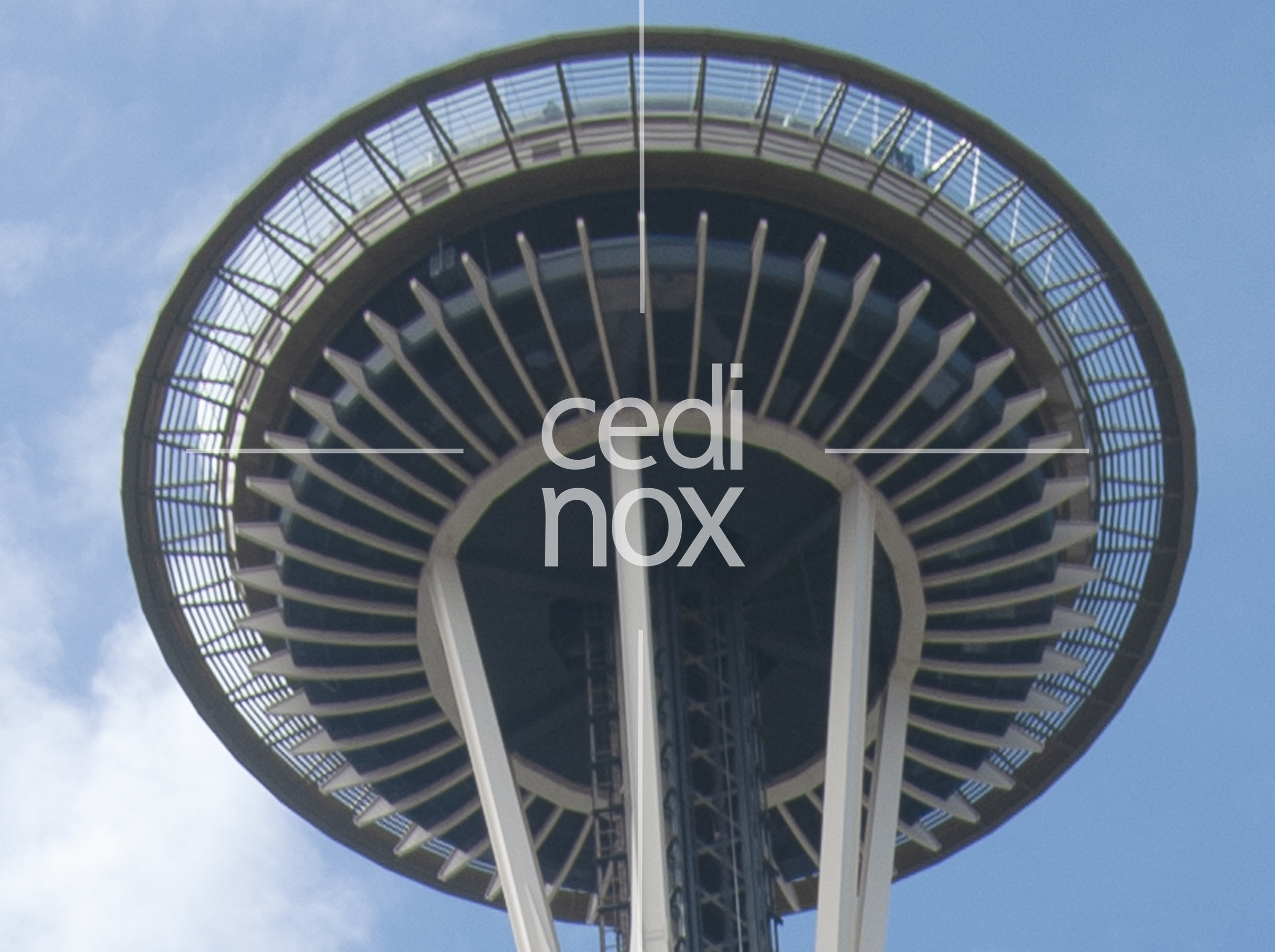
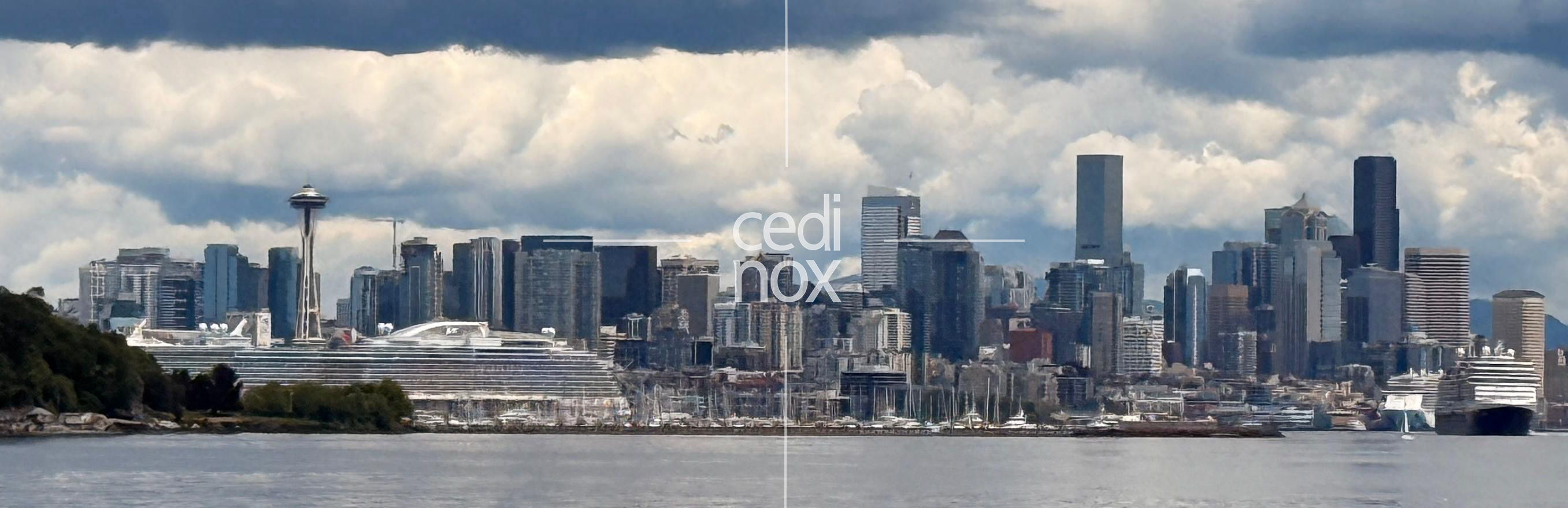
Designed to serve as the icon of the 1962 World's Fair, the Space Needle is a masterpiece of the Googie style—a mid-20th-century futuristic architectural movement that utilized bold geometric shapes, neon, and glass to celebrate the Space and Automotive Ages. The social context of the early 1960s demanded a monument looking toward the future and technological progress in response to the Cold War Space Race. Standing 184 meters tall, the structure became the defining visual reference of Seattle's skyline.
Its design is distinguished by its characteristic "wasp waist," formed by three pairs of steel legs that curve inward toward the center and taper before flaring out to support the five-level upper structure. These legs were constructed by curving and joining three wide-flange steel beams per section. It was engineered to withstand wind speeds of up to 320 km/h and earthquakes with a magnitude of 9.0. The foundation was also a milestone: due to its substantial subterranean mass, the building's center of gravity is located just 1.5 meters above ground level. The structure was erected in a record time of only 400 days and housed the world's first continuously revolving restaurant.
STAINLESS STEEL
Stainless steel has been a fundamental ally for the Space Needle, both for its aesthetic value and its technical robustness since its inception. Although it was already part of the upper structure of the tower back in 1961—a stainless steel tripod lit the 15-meter-high natural gas torch at the top of the tower—it is in recent interventions where this material assumes an unquestionable starring role, particularly in extending the structural service life under Seattle's harsh marine atmospheric conditions.
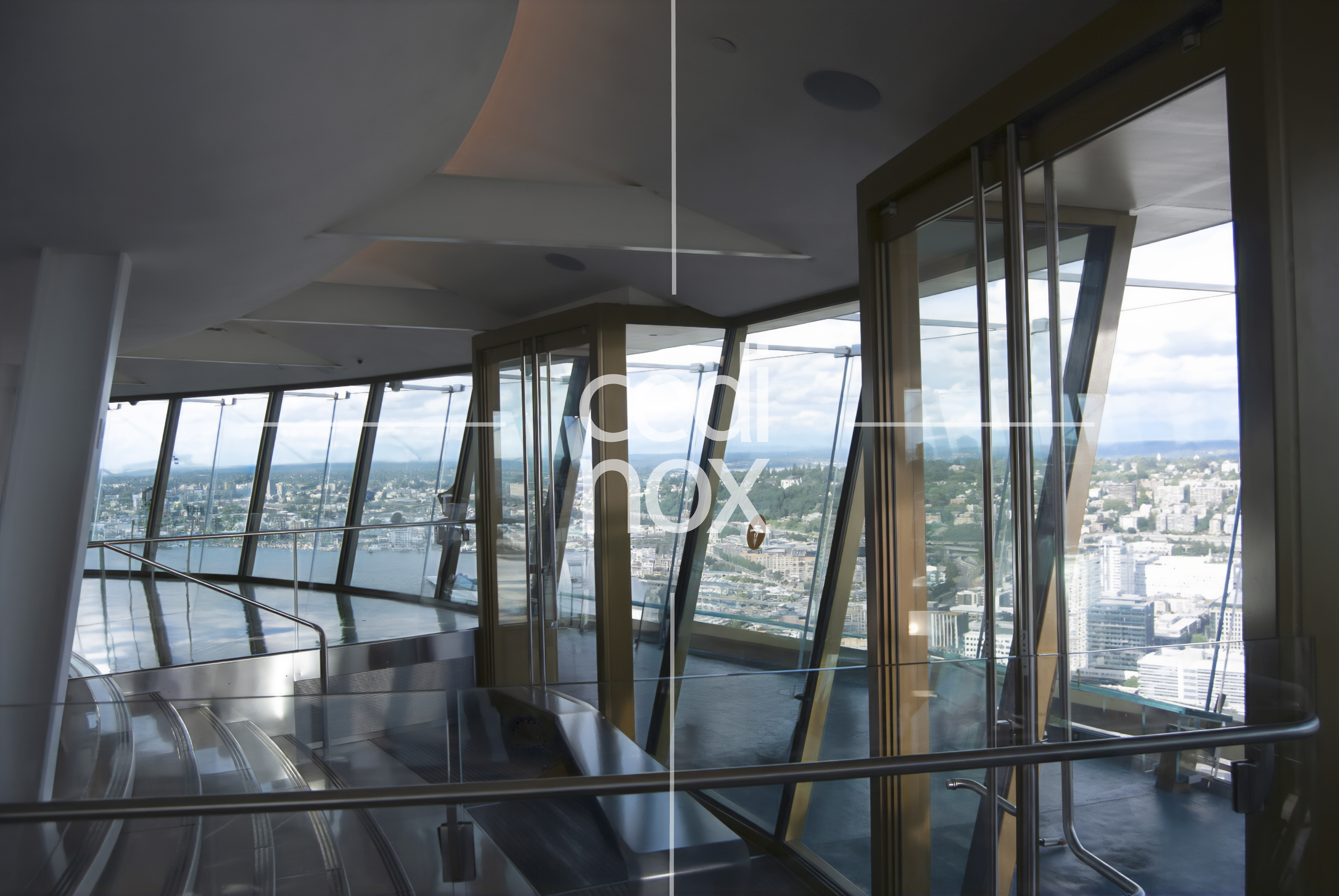
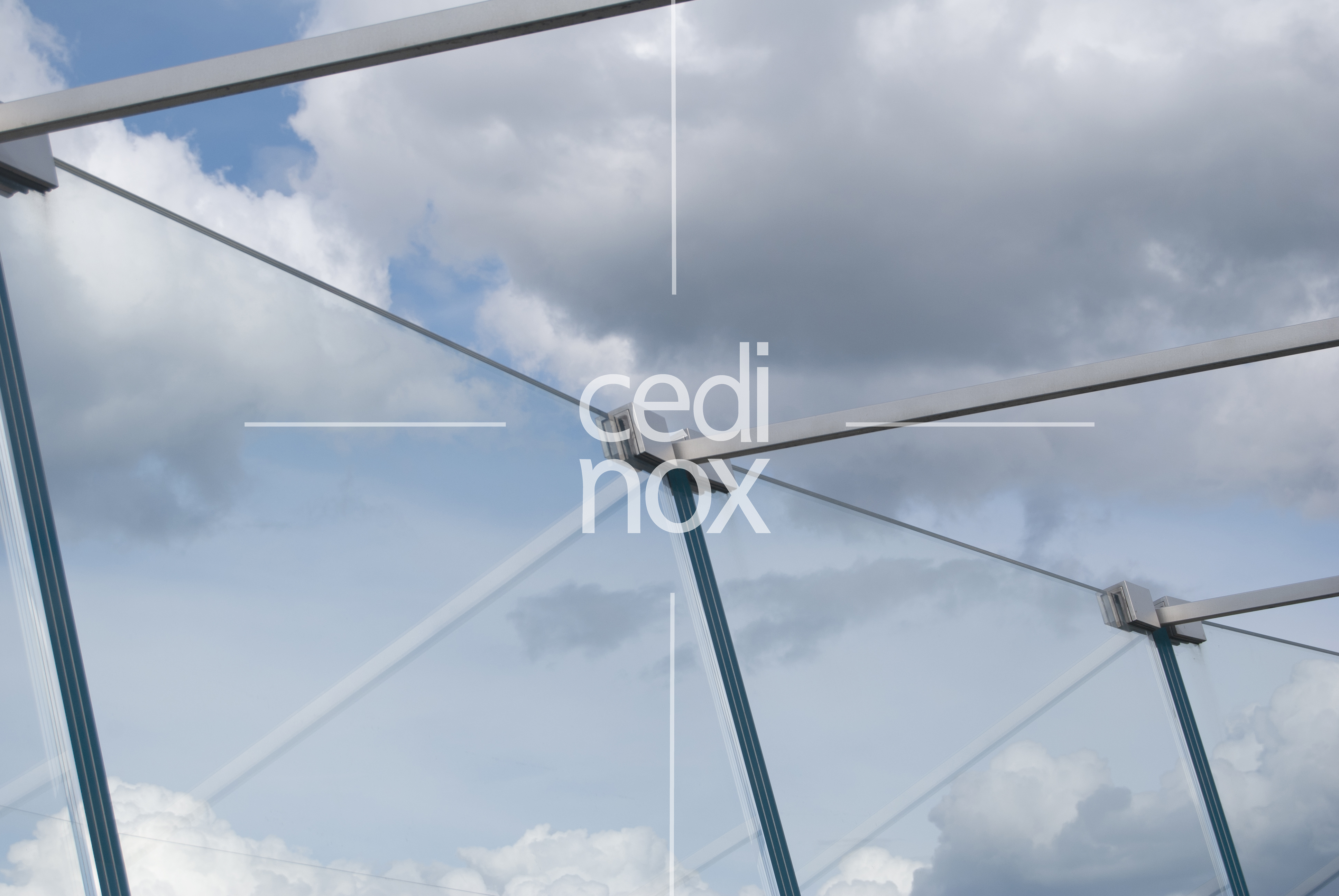
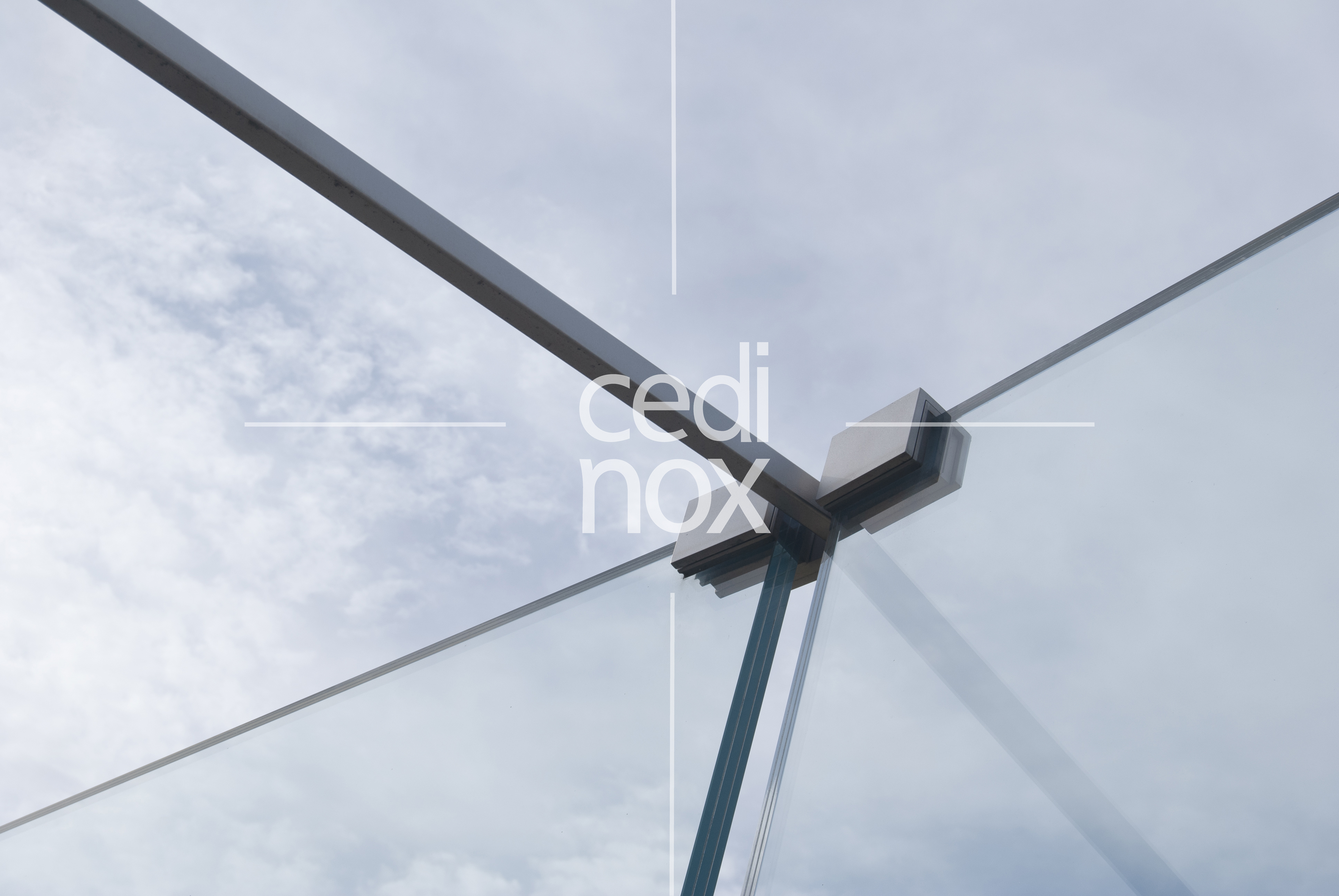
To transform the experience for its 1.3 million annual visitors, the observatory's rehabilitation relied on AISI 316L stainless steel. Custom-designed stainless steel structural profiles were utilized to support the glass enclosures and barriers. Thanks to this material, it was possible to install 48 immense glass panels, weighing one metric ton each, eliminating the need for conventional mullions. The result is a completely unobstructed 360˚ panoramic view, which increases visibility by 35% compared to the previous design. Beyond its futuristic elegance, stainless steel guarantees exceptional structural durability against atmospheric degradation, preserving the pristine metallic finish of this Space Age icon.
Perhaps you missed the feature in issue 88, so today we're bringing back the story.