Stainless Steel PPE
Textile solutions in stainless steel against cut and impact
Stainless steel is commonly associated with rigid components, large structures, or heavy machinery. However, advances in precision wire drawing have brought this material into an unexpected field: the technical textile industry. Processed into fine yarns and fibers that can be woven, knitted, and sewn, stainless steel provides irreplaceable electrical, mechanical, and thermal properties where conventional synthetic polymers fall short or quickly degrade.
The adoption of these metallic fibers addresses critical demands for safety, hygiene, and durability. Depending on the operating environment, metallurgy provides specific alloys, ranging from biocompatible austenitic grades to refractory compositions, tailored to specific functional requirements. Today, stainless steel yarn serves as the technical backbone across three key sectors in advanced textile manufacturing:
Smart textiles and heated clothing
Thanks to its electrical conductivity and flexibility, stainless steel is integrated directly into next-generation technical apparel. In heated garments, it is woven into motorcycle jackets, ski gloves, thermal insoles, or automotive seating, operating as a flexible low-voltage electrical resistance that delivers uniform heat. In biomedical sensing, microfilaments of AISI 316L, an austenitic grade with proven biocompatibility, are embroidered into sports apparel or medical gowns to act as ECG and EMG electrodes. This grade enables direct skin contact without conductive gels, prevents allergic reactions, and withstands saline sweat corrosion and repeated laundering without loss of performance.
Occupational safety and PPE
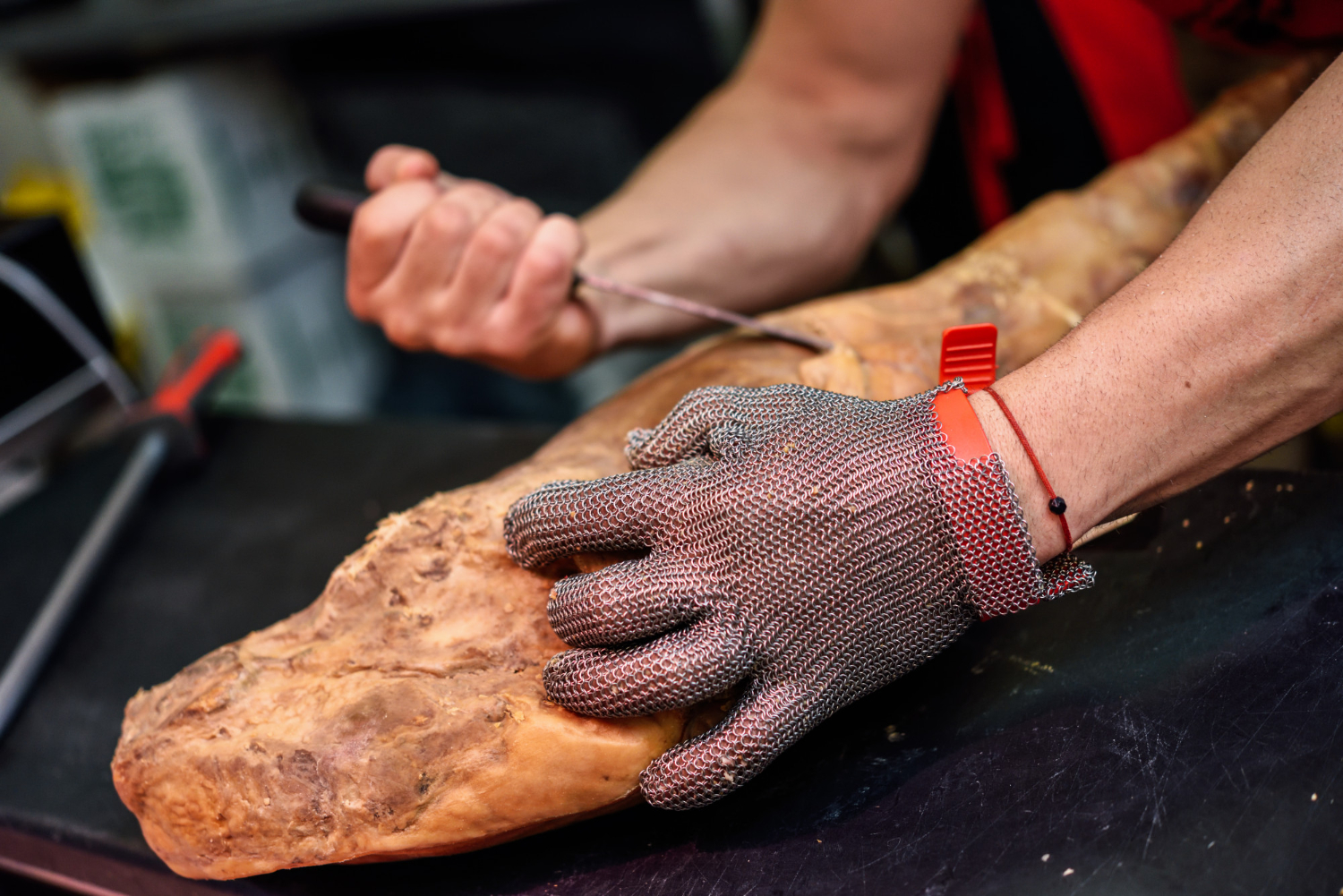
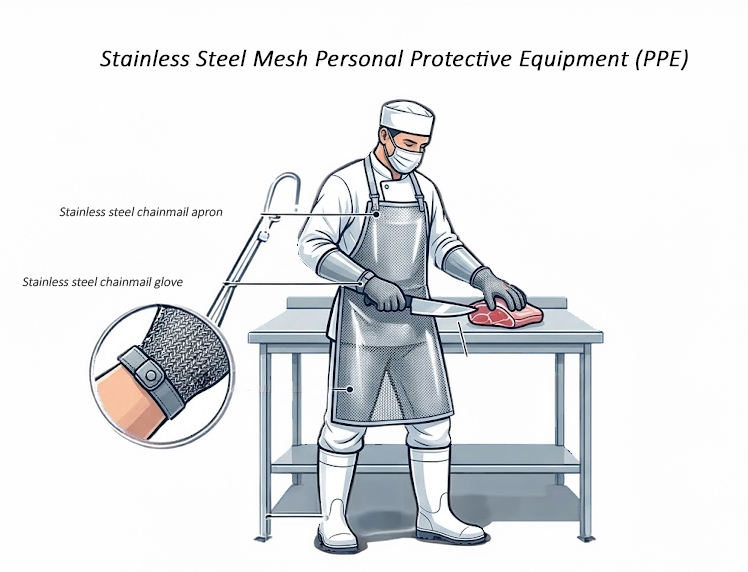
High-risk work environments require materials capable of mitigating mechanical and electrostatic hazards without sacrificing ergonomics. Blended with ultra-high-molecular-weight polyethylene (UHMWPE) or aramid fibers (Kevlar), stainless steel yarn, typically ductile and tough austenitic grades such as AISI 304 or AISI 316L, provides superior cut resistance in gloves used in butcheries, meat processing facilities, and sheet-metal or glass handling lines. Furthermore, in antistatic clothing (ESD) for explosion-hazard settings (petrochemical plants, powder magazines, semiconductor cleanrooms), incorporating a small percentage of stainless steel thread continuously dissipates static electricity to prevent accidental sparks.
Technical sewing and high-temperature insulation
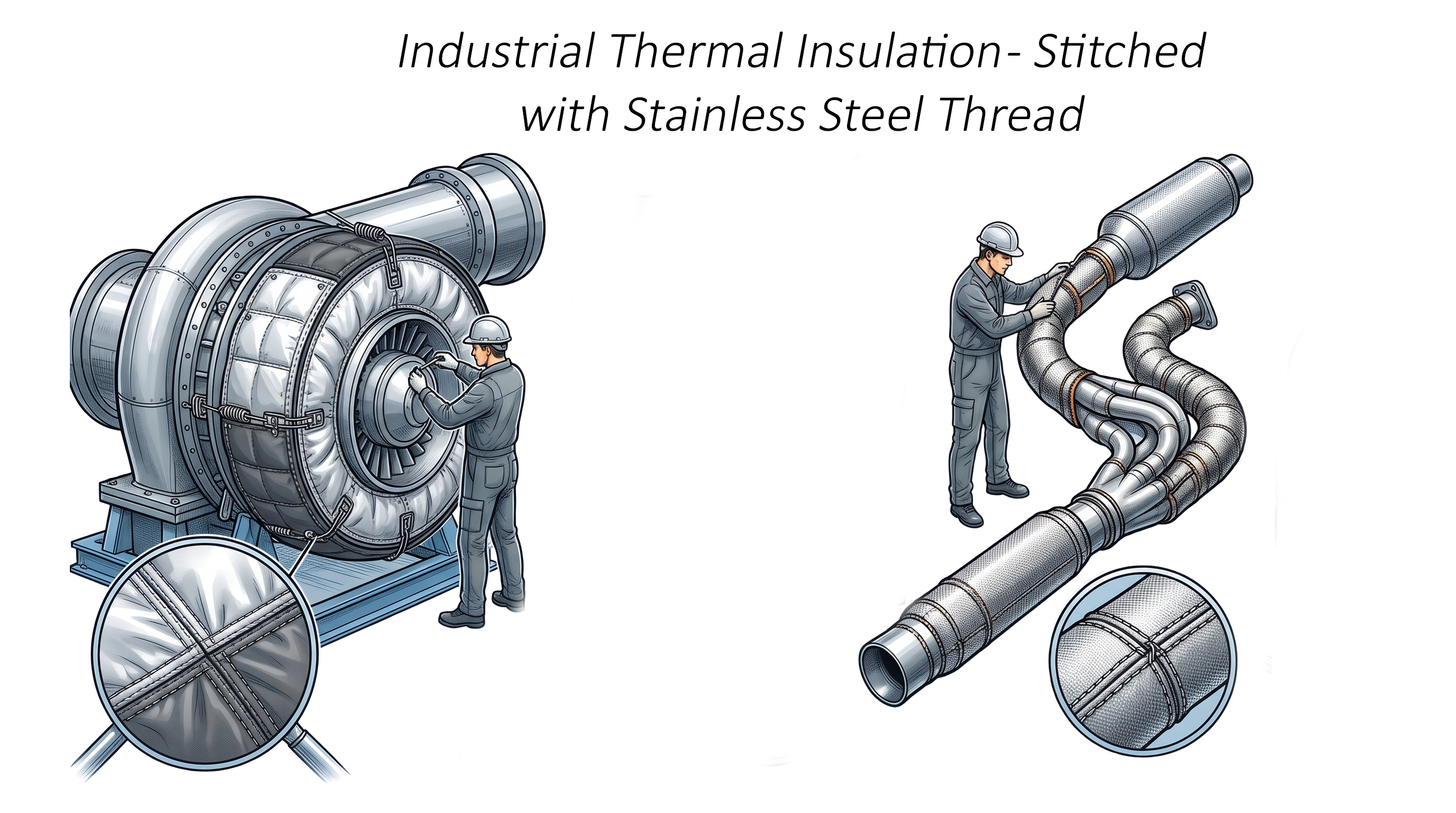
Under extreme thermal conditions where synthetic fibers would burn, refractory stainless steels such as AISI 310 or AISI 310S are specified. Their elevated chromium and nickel content prevents scaling oxidation while retaining mechanical strength under continuous service temperatures between 600 °C and 800 °C. This technical sewing thread is used in thermal insulation blankets and fireproof covers for industrial turbines, automotive exhaust systems, and petrochemical piping. It is also essential in manufacturing sealing joints, forming braided packings and seals for industrial furnaces and boilers requiring reliable, durable containment under thermal cycling.
From an embroidered biomedical sensor to technical stitching containing heat inside an industrial turbine, stainless steel fiber highlights the ability of advanced metallurgy to serve demanding applications, proving that durability, conductivity, and extreme resistance can also be flexible.