Ramyeon
Download Pdf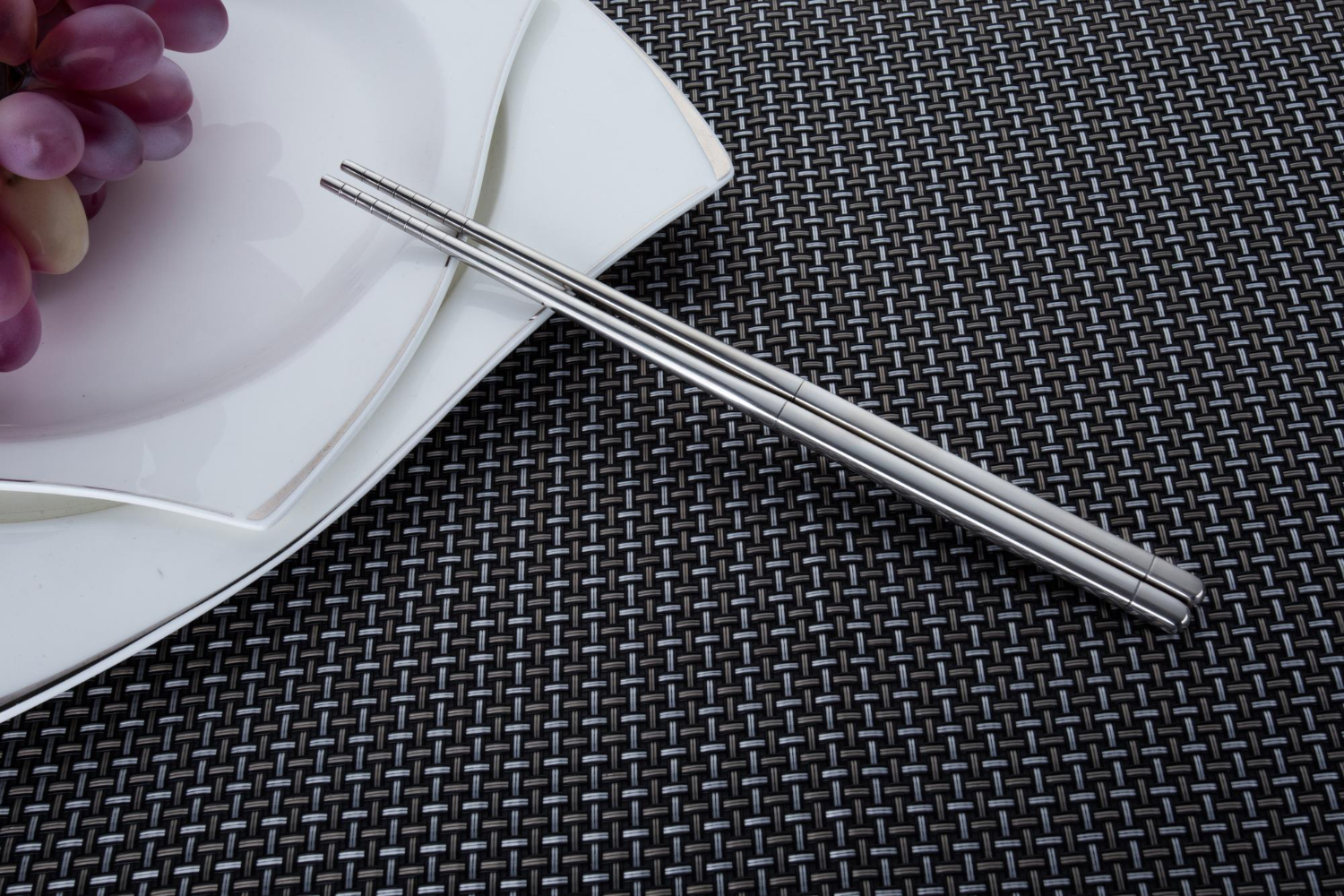
Chopsticks are an essential part of South Korea's culinary culture. Anyone who has watched a Korean TV series or tasted a plate of ramyeon in a restaurant will probably have noticed that the chopsticks used there are not made of wood or bamboo, they are made with metal instead. This choice is neither accidental nor recent; it has historical, practical and cultural roots.
During the era of the ancient Korean kingdoms, royalty began using silver chopsticks as a security measure. It was believed that silver chopsticks could react to the presence of poisons in food, which made them feel protected from possible poisoning attempts. Although most of the people did not have access to silver, over time, they adopted the use of metal chopsticks made from other materials, such as iron or brass. This custom evolved to the current common use of stainless steel.
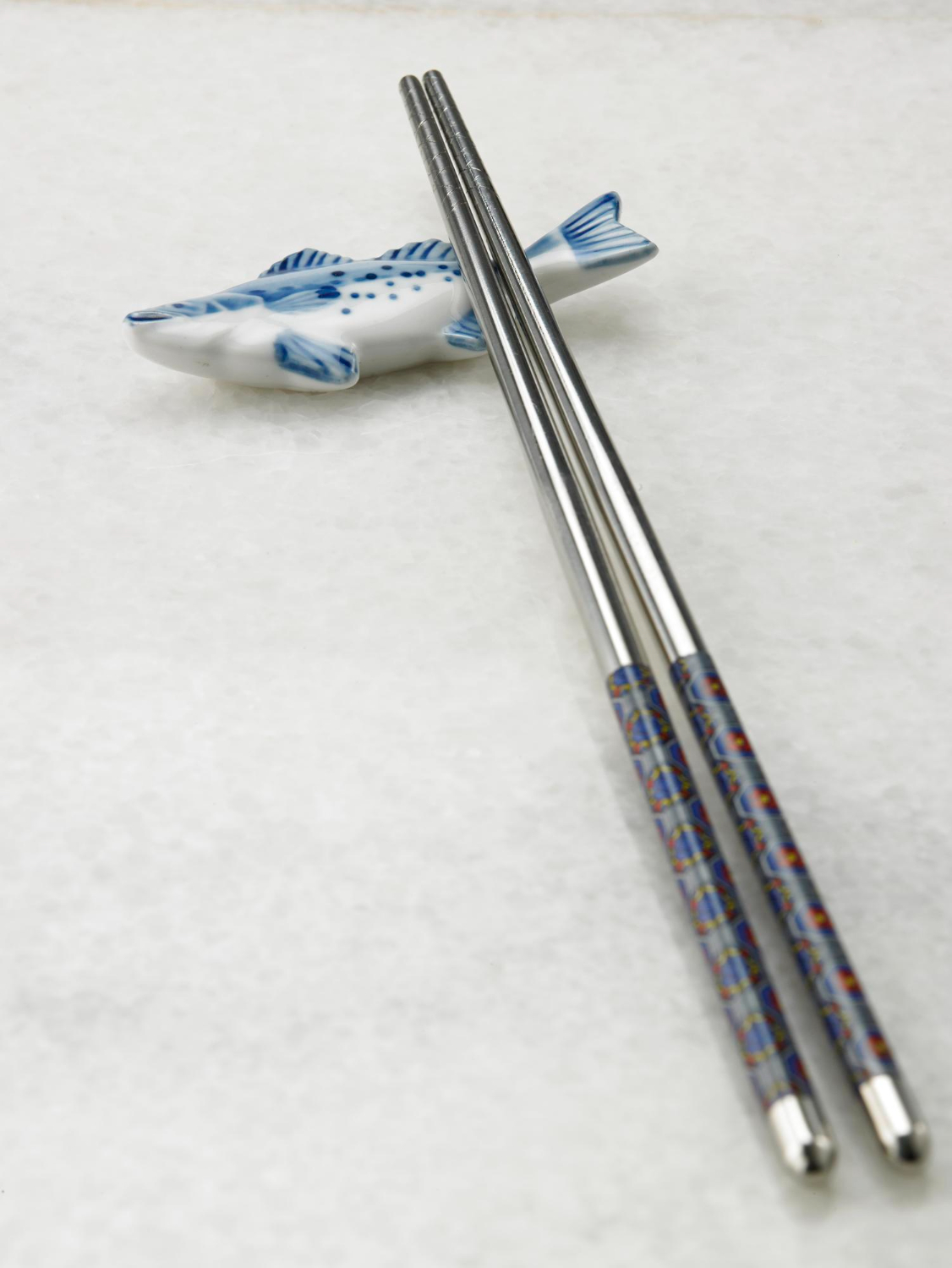
Stainless steel provides very specific advantages in this application. Its strength allows for a long service life without the utensil losing its shape or integrity.
It is a material that does not absorb flavours or moisture and can be easily cleaned. For a cuisine that is rich in sauces and fermented foods such as Korean cuisine, these qualities are particularly useful. In addition, the coolness of metal and its polished surface are part of the aesthetics.
The design also differs from other Asian chopsticks. Korean chopsticks tend to be flatter and shorter than Chinese ones, which makes them easier to handle, especially for dishes that require picking up small or slippery ingredients. Many Koreans consider them more hygienic and more suitable for everyday use than disposable wooden chopsticks.
Through these utensils, an important part of Korean identity is transmitted in every meal. It reflects deep-rooted values such as security, respect for durability and attention to detail.