Achilles' heel of stainless steel is hiding in your home
Download PdfWhy checking the label of your cleaning products is key to preventing stainless steel from rusting.
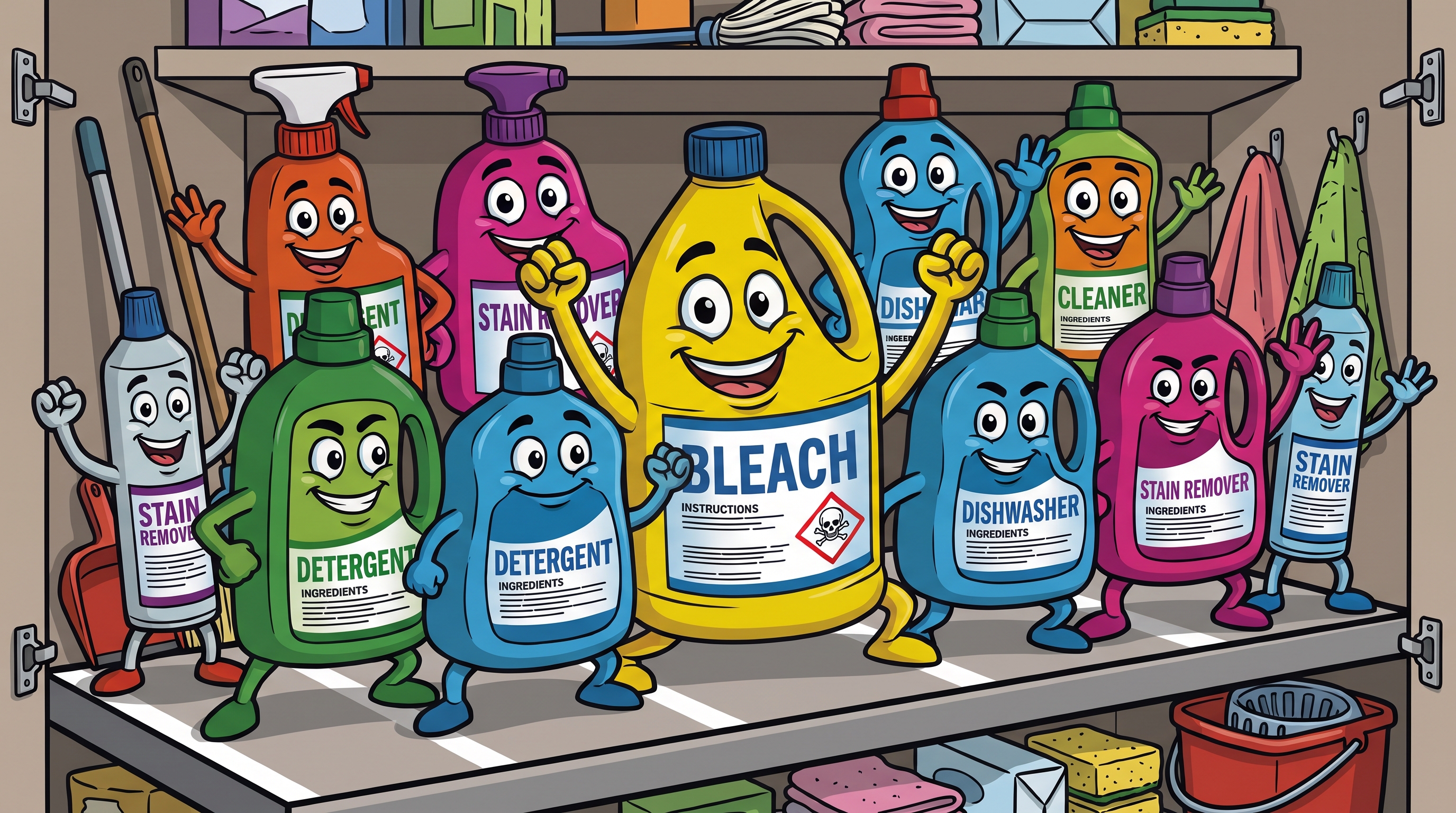
Stainless steel stands out for its durability and resistance to a multitude of aggressive media; however, its surface integrity is not invulnerable. Paradoxically, its primary corrosive agent is found not only in severe industrial environments, but in the cleaning cabinet of any household or professional kitchen: chlorinated compounds and strong acids, led by bleach (sodium hypochlorite).
The resistance of stainless steel lies in its passive layer, an invisible chromium oxide film barely 0.002 to 0.003 microns thick that seals the metal and regenerates spontaneously upon contact with oxygen. As long as cleaning is performed with water and neutral soaps, this barrier remains stable. Failure occurs when chloride ions (Cl-) come into contact with the surface, as they are capable of locally perforating the passive layer faster than it can self-repair.
This attack triggers the quintessential form of corrosion in stainless steels: pitting corrosion, small dark spots or rust foci that advance in depth, leaving irreversible marks. Two critical variables influence its development:
- Concentration of the corrosive solution: bleach is a concentrated hypochlorite product. Furthermore, when a splash of any chloride-containing cleaner is not rinsed immediately, the water evaporates and the salt concentration on the surface skyrockets, exceeding the resistance limit of the passive layer.
- Temperature: thermal increase drastically accelerates corrosion kinetics. Applying chlorinated products onto hot surfaces or rinsing with high-temperature water without having first removed the chemical multiplies the risk of pitting.
PRECAUTIONS
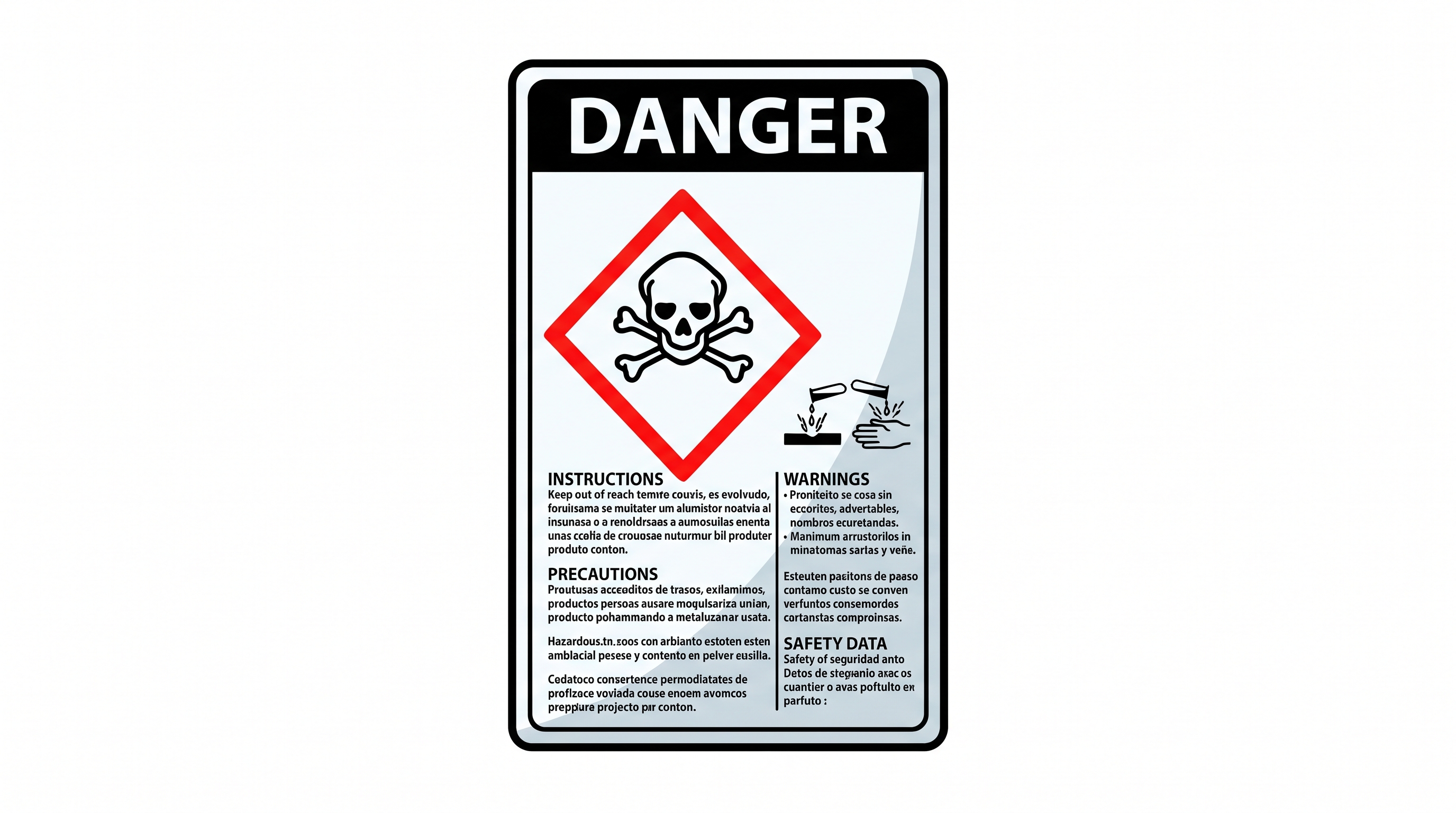
Hidden composition on labeling: the risk is not limited to pure bleach. Many all-purpose cleaners, disinfectants, drain openers, or limescale removers contain sodium hypochlorite, chlorides, or hydrochloric acid (muriatic acid or aqua fortis), all of which are highly detrimental to stainless steel.
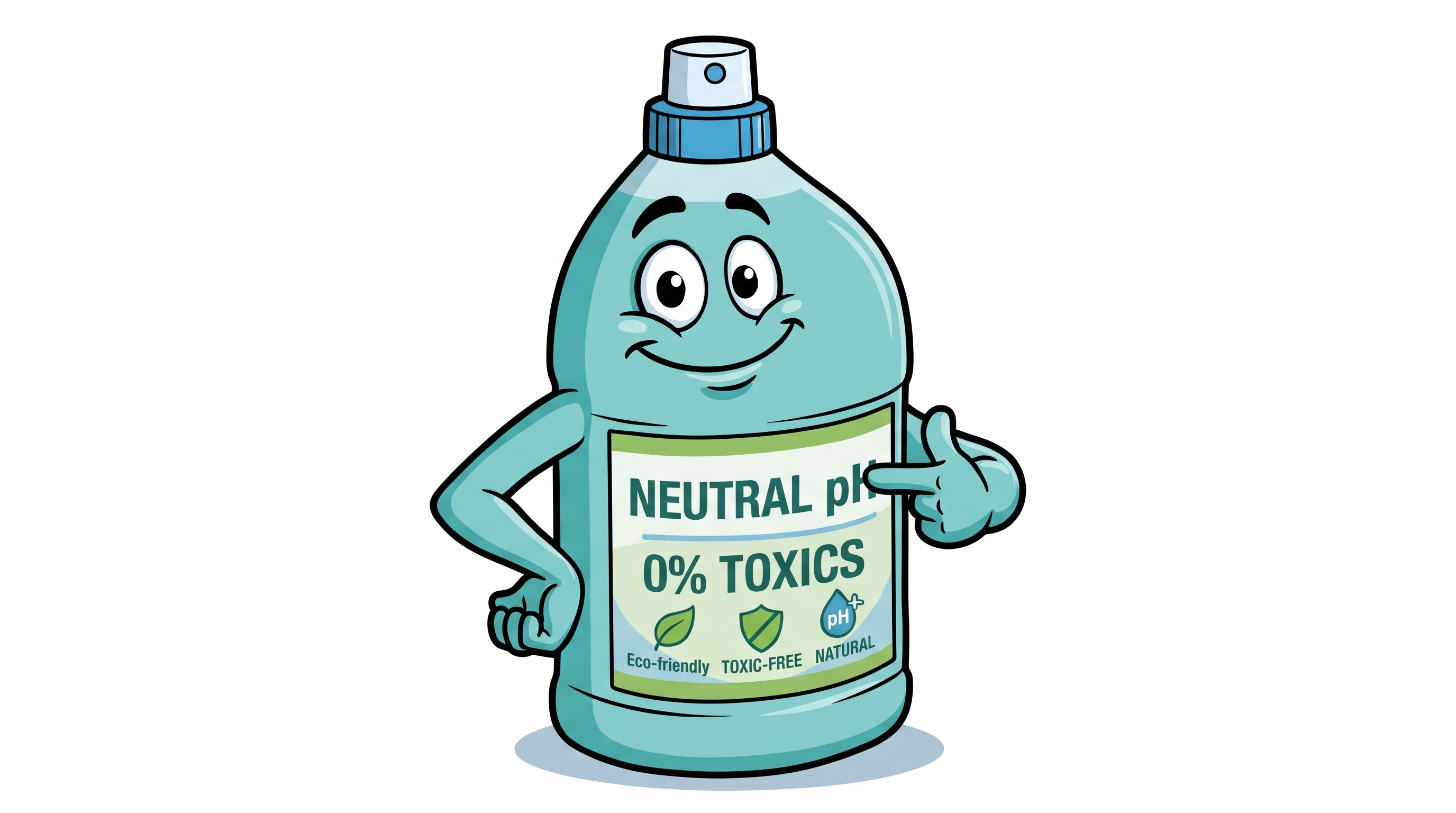
Recommended maintenance protocol: for routine cleaning, warm water and a pH-neutral detergent are sufficient, always wiping in the direction of the polish grain. To remove calcareous deposits, diluted solutions of acetic acid (25% white vinegar) or citric acid are used, which dissolve limescale without attacking the chromium oxide.
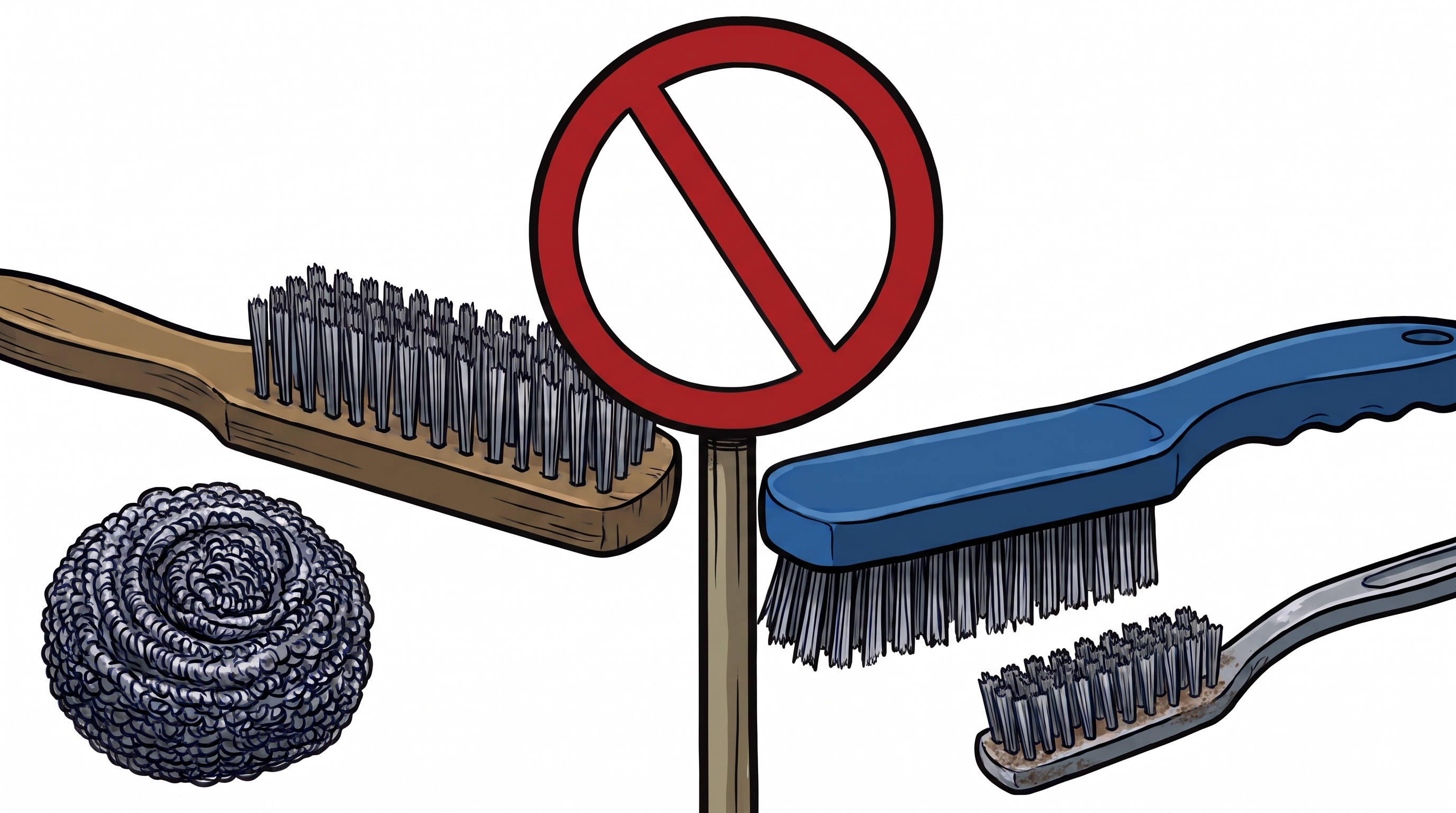
Ferric contamination and rinsing: carbon steel scouring pads or brushes must be avoided, as they transfer free iron particles that oxidize upon contact. Likewise, it is essential to always rinse thoroughly with clean water and dry with a soft cloth to prevent the static evaporation of salts.