Sector cárnico
Download Pdf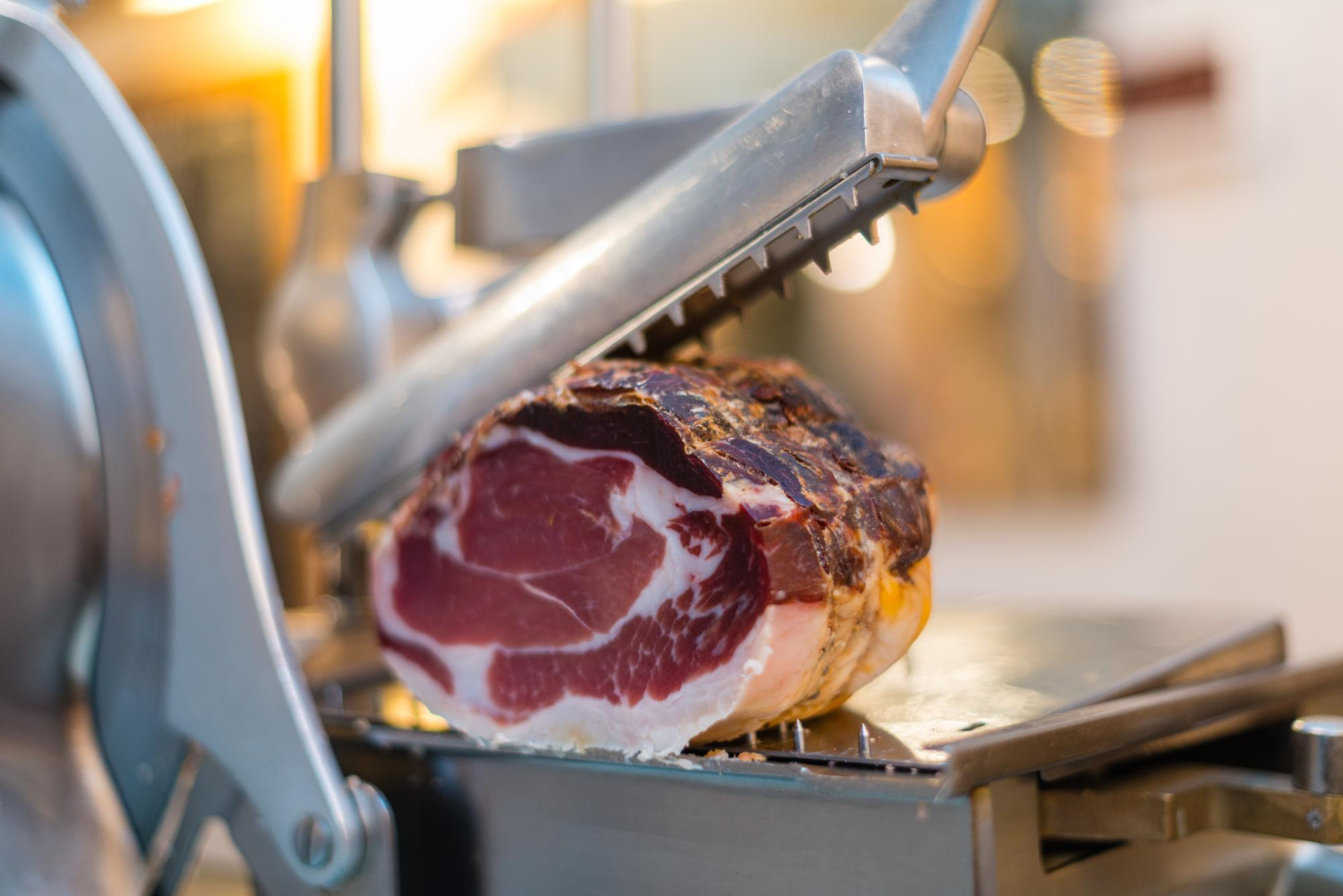
Workers in the meat sector face unique challenges on a daily basis. It is an environment where hygiene, resilience and safety are essential. Facilities must provide easy cleaning, prevent cross-contamination and withstand demanding conditions such as humidity and low temperatures.
Stainless steel's ability to keep surfaces free of bacteria and its durability make it the material of choice for work tables, hooks, knives, conveyor belts and cold rooms. However, not all stainless steels are the same. There are different alloys that are chosen according to the specific needs of each task.
AISI 304 stainless steel is the most common stainless steel used in the food industry, especially for surfaces, containers, walls and trolleys in direct contact with meat. Its composition offers excellent protection against corrosion and common contaminants. For work where welding is required, it is recommended to use grade 304L, as its lower percentage of carbon reduces the risk of carbide precipitation in the welded area, thus preventing corrosion in these critical areas.
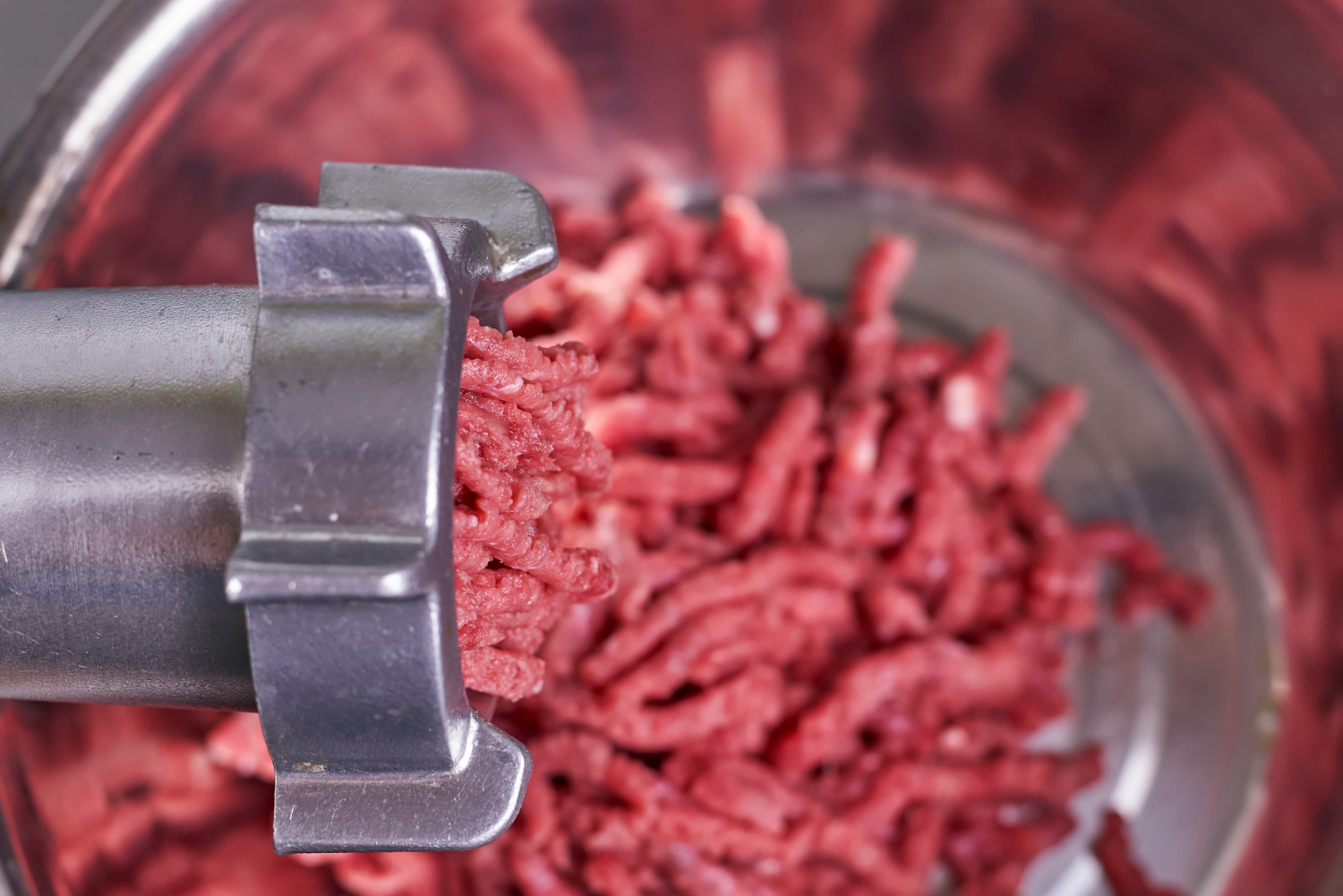
In areas where cleaning products or brines are more aggressive, AISI 316 stainless steel is the best choice. It provides significant reinforcement thanks to the presence of molybdenum, which significantly improves resistance to pitting corrosion. This means less maintenance, more durable equipment and enhanced food safety.
For knives and cutting tools, it is common to use martensitic steels such as AISI 420, which has a higher carbon content. Together with quenching and tempering heat treatments, it provides blades with high hardness and the ability to maintain a long-lasting cutting edge. These steels can withstand the typical wear and tear of meat cutting, sacrificing some corrosion resistance, but maintaining good hygienic conditions with proper cleaning.
We must not forget that we are talking about the food industry. The right choice of stainless steel ensures that the investment we have made in our materials is reflected in the quality of the final product. A clean and safe environment promotes productivity, reduces risks and makes the difference with the competition.